Healthy Sautéed Vegetables Quick Flavorful Side
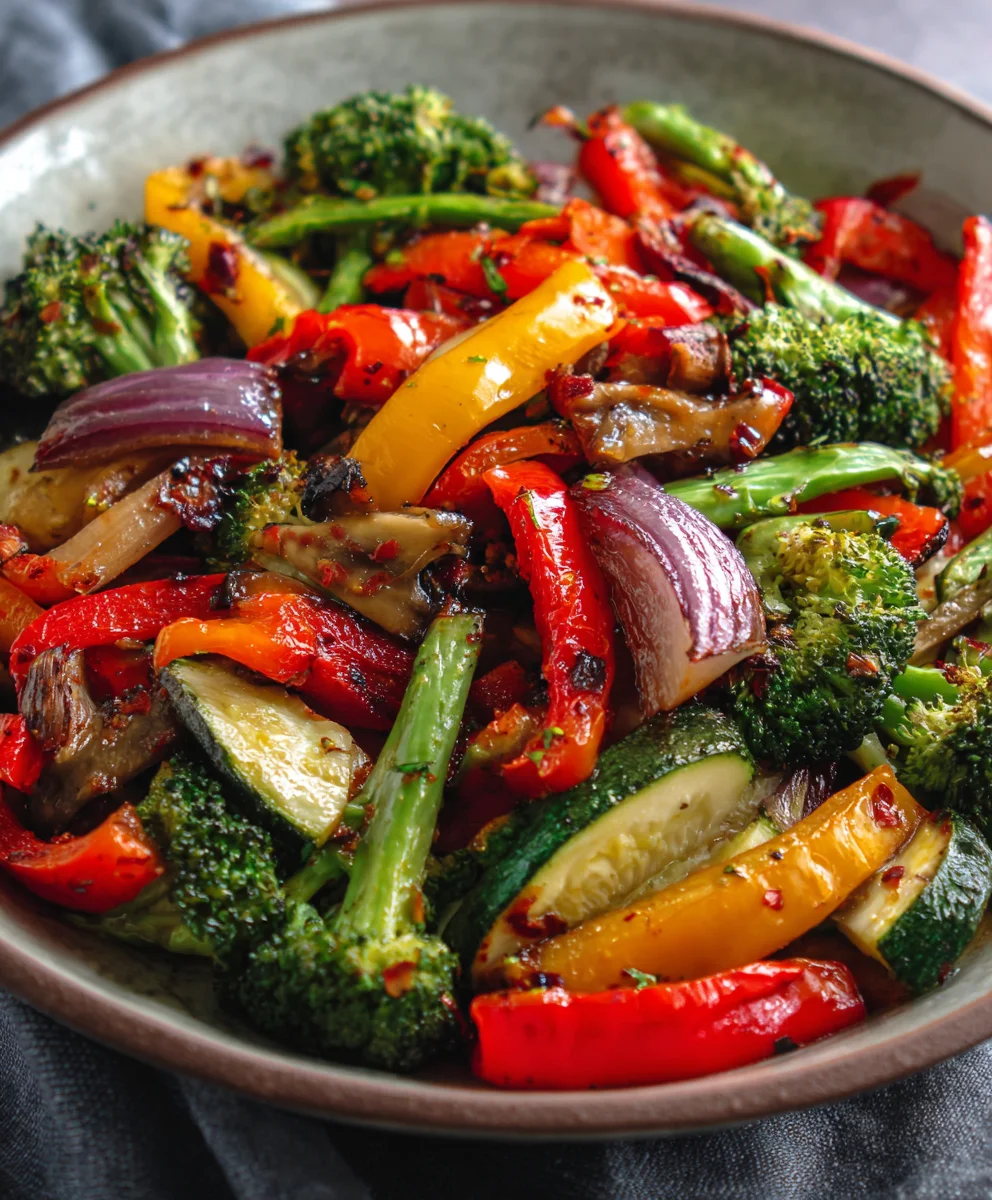
Healthy Sautéed Vegetables – Quick, Flavorful & Nutritious Side dishes are the unsung heroes of any meal. They offer a vibrant burst of color, incredible texture, and a symphony of flavors that can elevate even the simplest main course. We all know that incorporating more vegetables into our diet is crucial for our well-being, but sometimes, the thought of elaborate preparations can feel daunting. That’s where this incredibly simple yet utterly delicious recipe shines. It’s the perfect antidote to bland, boring side dishes, transforming humble produce into something truly craveable. People adore this method because it respects the natural goodness of the vegetables, enhancing their inherent sweetness and earthiness without overpowering them. What makes this particular approach so special is its speed; you can go from pantry to plate in under fifteen minutes, making it an ideal choice for busy weeknights or when you need a last-minute healthy addition to your table. Get ready to discover your new favorite way to enjoy the bounty of the garden!
Ingredients:
- 2 tablespoons olive oil (or avocado oil/butter for a different flavor profile)
- 2 cloves garlic, minced (about 1 teaspoon if pre-minced)
- 1 small onion, thinly sliced
- 1 bell pepper, any color, seeds removed and thinly sliced
- 1 zucchini, trimmed and sliced into uniform half-moons
- 1 cup broccoli florets, bite-sized
- 1 medium carrot, peeled and julienned or thinly sliced
- ½ cup snap peas, trimmed
- ½ cup mushrooms, sliced (cremini or white button mushrooms work well)
- Salt and freshly ground black pepper, to taste
- 1 teaspoon lemon juice (optional, for brightness)
- 1 teaspoon balsamic vinegar or soy sauce (optional, for depth of flavor)
- Optional toppings: toasted nuts (like slivered almonds or chopped walnuts), seeds (like sunflower or pumpkin seeds), fresh herbs (such as parsley or chives), or grated Parmesan cheese
Preparation and Sautéing
Step 1: Prepare Your Vegetables for the Perfect Sauté
The key to a successful and quick sauté is having all your vegetables prepped and ready to go before you even turn on the stove. This is where the magic happens before the actual cooking. First, ensure your garlic is minced – you want small, even pieces to distribute its pungent flavor throughout the dish. Next, take your small onion and slice it thinly. Aim for consistent slices so they cook at a similar rate. For the bell pepper, remove the seeds and membrane, then slice it into thin strips, similar in width to your onion. Trim the ends off your zucchini and then slice it into appealing half-moons, about ¼ inch thick. If your broccoli is a large head, break it down into bite-sized florets, ensuring they are relatively uniform. Peel your carrot and then julienne it (cut it into thin matchsticks) or slice it thinly on a diagonal for quicker cooking and a more elegant presentation. For the snap peas, simply trim off any tough ends. Finally, slice your mushrooms. If using larger mushrooms, quarter them first before slicing. Having everything prepped this way means you can move efficiently through the cooking process, preventing any single ingredient from overcooking.
Step 2: Heat the Pan and Start with Aromatics
Once your vegetables are prepped, it’s time to get cooking. Place a large skillet or wok over medium-high heat. Let it get nice and hot – this is crucial for achieving a good sear on your vegetables. Add the 2 tablespoons of olive oil (or your chosen alternative). Let the oil heat for about 30 seconds until it shimmers. Now, add your minced garlic. Sauté the garlic for about 30 seconds to 1 minute, stirring constantly. You want to release its fragrance without letting it burn, as burnt garlic can turn bitter. Immediately after the garlic, add your thinly sliced onion to the pan. Stir and sauté the onion for about 2-3 minutes until it begin extracts to soften and turn translucent. This step builds a foundational layer of flavor for your entire dish.
Step 3: Introduce the Heartier Vegetables
With the aromatics nicely softened, it’s time to add the vegetables that require a little more cooking time. Add the sliced bell pepper, the carrot slices, and the broccoli florets to the skillet. Stir everything well to coat the vegetables in the hot oil and aromatics. Continue to sauté these vegetables for about 4-5 minutes, stirring frequently. You’re looking for the broccoli to start turning a vibrant green and the carrots to become slightly tender-crisp. Avoid overcrowding the pan; if your skillet isn’t large enough, you might need to cook in batches to ensure proper sautéing rather than steaming. Good airflow around the vegetables promotes browning and that delicious caramelized flavor.
Step 4: Incorporate the Softer Vegetables and Season
Now, it’s time to add the vegetables that cook more quickly to prevent them from becoming mushy. Add the sliced zucchini, snap peas, and sliced mushrooms to the skillet. Continue to stir and sauté for another 3-5 minutes. The zucchini should become tender but still retain a slight bite, the snap peas should turn bright green and be crisp-tender, and the mushrooms should release their moisture and start to brown. Season generously with salt and freshly ground black pepper. Taste as you go, as the salt will enhance all the natural flavors of the vegetables. This is also the point where you can add your optional flavor boosters. If you’re using lemon juice, add it now for a burst of freshness that cuts through the richness. If you prefer a deeper, savory note, add the balsamic vinegar or soy sauce. Stir everything together to evenly distribute these final touches.
Step 5: Final Touches and Serving
Give everything one final stir to ensure all the vegetables are perfectly coated and heated through. You want your vegetables to be tender-crisp, meaning they have a slight bite to them and aren’t soft or mushy. This usually takes about 8-10 minutes total cooking time, depending on the size of your cuts and the heat of your pan. Remove the skillet from the heat. If you’re using any of the optional toppings, now is the time to sprinkle them over the top. Toasted nuts and seeds add a wonderful crunch, while fresh herbs bring a lovely freshness. Grated Parmesan cheese melts slightly into the hot vegetables, adding a salty, cheesy dimension. Serve your Healthy Sautéed Vegetables immediately as a vibrant and nutritious side dish alongside your favorite protein or grain. They are also delicious tossed with pasta or added to a grain bowl.
Conclusion:
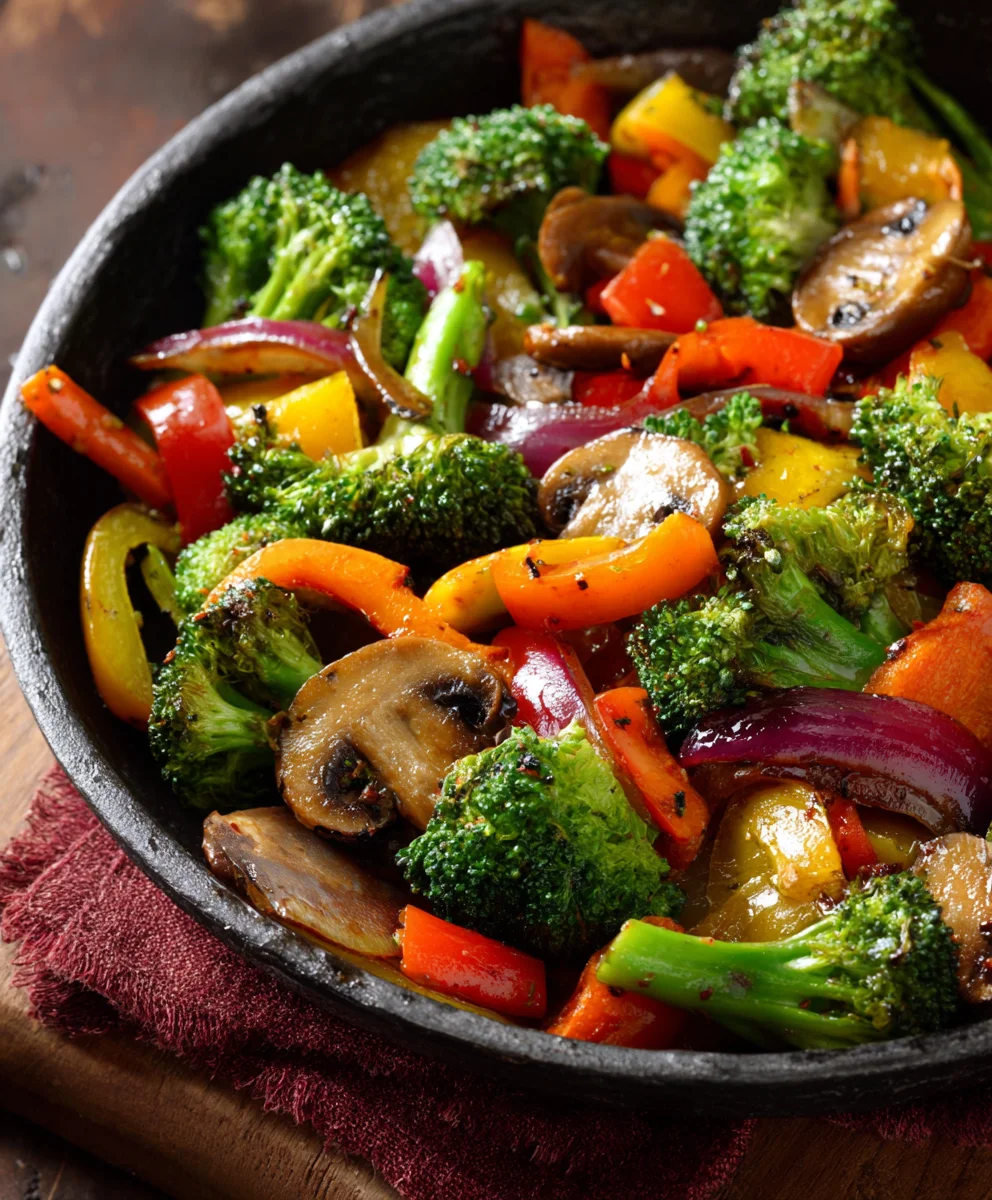
And there you have it! You’ve now mastered the art of creating the Healthy Sautéed Vegetables – Quick, Flavorful & Nutritious Side. This recipe is a true kitchen hero, proving that healthy eating can be incredibly simple and bursting with delicious taste. Whether you’re a seasoned cook or just starting out, this dish is approachable and forgiving, allowing you to experiment and make it your own. It’s the perfect way to add vibrant color, essential nutrients, and satisfying texture to any meal. Don’t be afraid to get creative and enjoy the process of bringin extractg these beautiful vegetables to life. We encourage you to make this a regular in your meal rotation – your body and your taste buds will thank you!
For serving, these sautéed vegetables are wonderfully versatile. They make an excellent accompaniment to grilled chicken or fish, a hearty steak, or even as a base for a vegetarian bowl with quinoa or brown rice. Feel free to mix and match your favorite vegetables – broccoli, bell peppers, zucchini, mushrooms, and asparagus are all fantastic choices. You can also elevate the flavor profile with a pinch of red pepper flakes for a touch of heat, or a sprinkle of fresh herbs like parsley or chives just before serving.
Frequently Asked Questions:
What are the best vegetables to use for this recipe?
Almost any vegetable can be sautéed beautifully! Popular and delicious choices include broccoli florets, sliced bell peppers (any color), chopped zucchini or yellow squash, sliced mushrooms, asparagus spears, green beans, and snap peas. For harder vegetables like carrots or sweet potatoes, it’s best to chop them smaller or steam them lightly before sautéing to ensure they cook through.
Can I make this recipe ahead of time?
Yes, you can! Sautéed vegetables are best enjoyed fresh, but they can be made a day in advance. Store them in an airtight container in the refrigerator. To reheat, a quick sauté in a pan or a short microwave session will bring them back to life. They might lose a little of their crispness, but they’ll still be delicious.
How can I add more protein to this dish?
You can easily turn this side dish into a more substantial meal. Add cooked chicken, shrimp, tofu, or chickpeas during the last few minutes of sautéing. You could also serve it over a bed of cooked grains like quinoa or farro for added protein and fiber.
Healthy Sautéed Vegetables: Quick & Flavorful Side
A quick and flavorful recipe for perfectly sautéed vegetables, offering a delicious and nutritious side dish. Customizable with various oils, flavor enhancers, and toppings.
Ingredients
-
2 tablespoons olive oil (or avocado oil/butter)
-
2 cloves garlic, minced
-
1 small onion, thinly sliced
-
1 bell pepper, seeds removed and thinly sliced
-
1 zucchini, trimmed and sliced into uniform half-moons
-
1 cup broccoli florets, bite-sized
-
1 medium carrot, peeled and julienned or thinly sliced
-
½ cup snap peas, trimmed
-
½ cup mushrooms, sliced
-
Salt and freshly ground black pepper, to taste
-
1 teaspoon lemon juice (optional)
-
1 teaspoon balsamic vinegar or soy sauce (optional)
-
Optional toppings: toasted nuts, seeds, fresh herbs, or grated Parmesan cheese
Instructions
-
Step 1
Prepare all your vegetables: mince garlic, thinly slice onion, remove seeds from bell pepper and slice, trim and slice zucchini into half-moons, cut broccoli into florets, peel and julienne or thinly slice carrot, trim snap peas, and slice mushrooms. Ensure uniform sizes for even cooking. -
Step 2
Heat a large skillet or wok over medium-high heat. Add olive oil (or alternative) and let it heat for 30 seconds until shimmering. Sauté minced garlic for 30-60 seconds until fragrant, then add thinly sliced onion and sauté for 2-3 minutes until softened and translucent. -
Step 3
Add heartier vegetables: bell pepper, carrot, and broccoli florets to the skillet. Stir to coat and sauté for 4-5 minutes, stirring frequently, until broccoli is vibrant green and carrots are tender-crisp. Avoid overcrowding the pan. -
Step 4
Incorporate softer vegetables: zucchini, snap peas, and mushrooms. Continue to stir and sauté for another 3-5 minutes until zucchini is tender-crisp, snap peas are bright green, and mushrooms have released moisture and started browning. Season generously with salt and pepper. -
Step 5
Add optional flavor enhancers: stir in lemon juice for brightness or balsamic vinegar/soy sauce for depth. Give everything a final stir to ensure even coating and heating. Vegetables should be tender-crisp. -
Step 6
Remove from heat. Serve immediately, optionally topped with toasted nuts, seeds, fresh herbs, or grated Parmesan cheese, alongside your favorite main dishes or in grain bowls.
Important Information
Nutrition Facts (Per Serving)
It is important to consider this information as approximate and not to use it as definitive health advice.
Allergy Information
Please check ingredients for potential allergens and consult a health professional if in doubt.