Keto Basics Simple Guide for Begin extractners – Rules Explained
Keto Rules & Basics: A Simple Guide for Begin extractners can feel like navigating a whole new culinary universe. But trust me, it’s far less daunting than it seems! Are you tired of feeling sluggish, battling stubborn cravings, or looking for a delicious way to shed those extra pounds? The ketogenic diet, often shortened to ‘keto,’ has taken the wellness world by storm, and for good reason. People absolutely love the keto lifestyle because it unlocks a powerful fat-burning state, leading to increased energy, improved mental clarity, and significant weight loss for many. What makes keto so special is its focus on delicious, satisfying foods that actually fuel your body efficiently, rather than leaving you feeling deprived. We’re going to break down the core principles and essential Keto Rules & Basics: A Simple Guide for Begin extractners so you can embark on your journey with confidence and a full stomach!
Keto Rules & Basics: A Simple Guide for Begin extractners
Embarking on the ketogenic diet can feel like navigating a new culinary landscape, but at its core, it’s about embracing delicious foods that fit specific macronutrient goals. Forget complicated science lessons; we’re here to break down the keto basics with a focus on practical, enjoyable eating. The fundamental principle of keto is to drastically reduce carbohydrate intake and replace it with fat, pushing your body into a metabolic state called ketosis. In ketosis, your body becomes incredibly efficient at burning fat for energy, which can lead to a host of benefits.
Understanding the Macros: The Cornerstone of Keto
The key to a successful ketogenic diet lies in understanding and managin extractg your macronutrient intake: carbohydrates, protein, and fat.
What to Eat and What to Avoid
The beauty of keto is that it’s not about deprivation; it’s about smart substitutions and enjoying flavorful, satisfying meals.
Foods to Embrace:
Foods to Limit or Avoid:
Getting Started with Keto-Friendly Recipes
Now that we have the basics covered, let’s get to the fun part: cooking! Here are some fantastic keto staples that will make your transition smooth and delicious.
Ingredients:
Cooking Instructions
Preparing these keto-friendly dishes is straightforward and designed to be begin extractner-friendly.
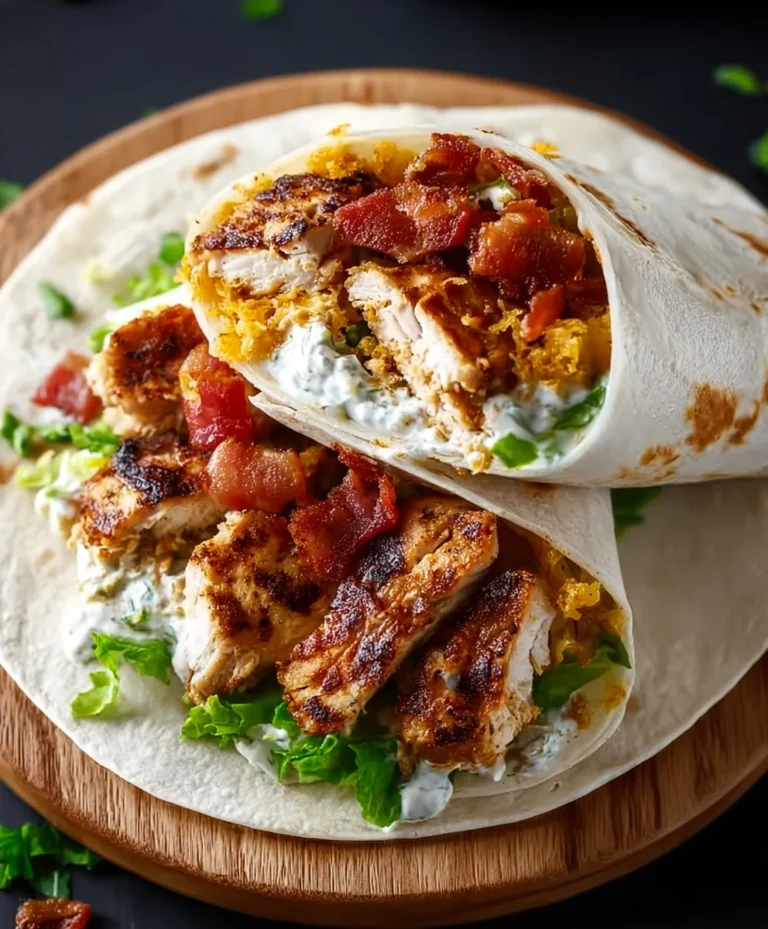
1. Prepare the Keto Crack Chicken: Preheat your oven to 375°F (190°C). In a bowl, combine shredded cooked chicken (rotisserie chicken is a great shortcut!), cream cheese, shredded cheddar cheese, ranch seasoning (ensure it’s low-carb), and beef bacon bits. Mix until well combined. Spread this mixture evenly into a greased oven-safe baking dish. Bake for 20-25 minutes, or until bubbly and golden brown. This dish is incredibly versatile and can be eaten on its own, served with keto bread, or wrapped in lettuce cups.
2. Bake the Keto Chocolate Cake: For a decadent treat, follow the instructions on your keto chocolate cake mix. Typically, this involves combining the dry mix with wet ingredients like eggs, melted butter or coconut oil, and a keto-friendly liquid like almond milk or heavy cream. Pour the batter into a greased and floured (with almond flour or coconut flour) cake pan. Bake according to the package directions, usually around 25-30 minutes at 350°F (175°C). A toothpick inserted into the center should come out clean. Let it cool completely before frosting with a keto frosting, if desired.
3. Whip up Keto Pancakes: For a delightful breakfast or brunch, prepare your keto pancake batter according to the package. This usually involves whisking together the dry mix with eggs, a keto sweetener, and a liquid like unsweetened almond milk or water. Heat a lightly oiled or buttered griddle or non-stick pan over medium heat. Pour about 1/4 cup of batter onto the griddle for each pancake. Cook for 2-3 minutes per side, or until golden brown and cooked through. Serve immediately with your favorite keto toppings like sugar-free syrup, fresh berries, or a dollop of whipped cream.
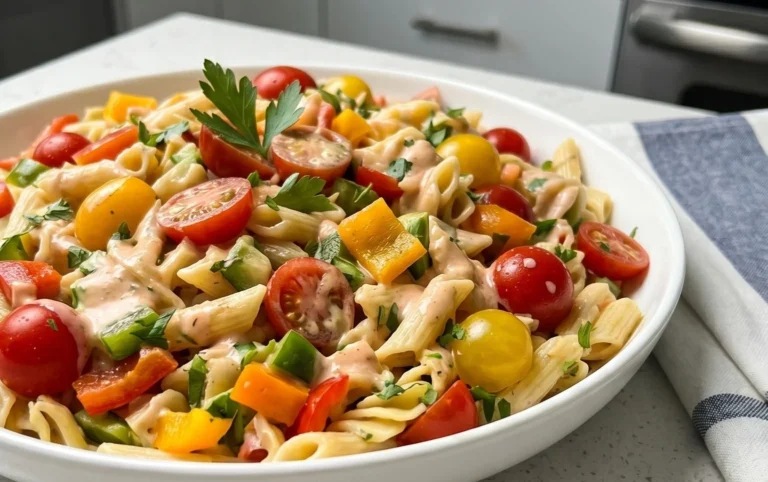
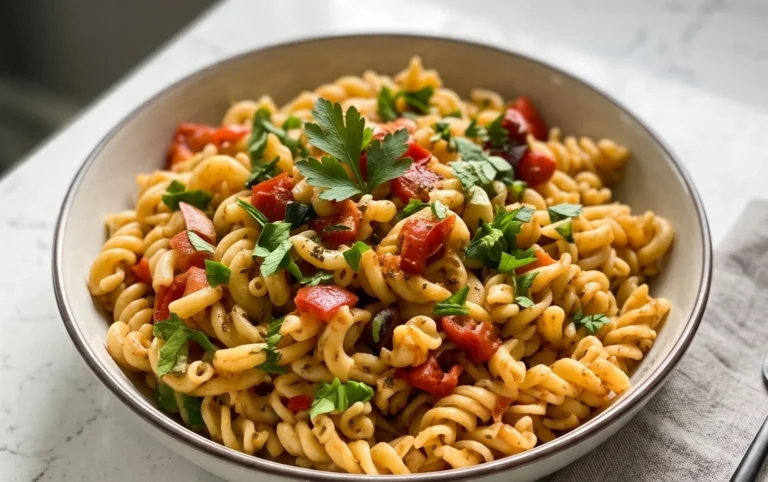
4. Assemble a Keto Pasta Dish: Cook your keto pasta according to the package directions. Unlike traditional pasta, keto pasta often cooks much faster, so keep a close eye on it to avoid overcooking. While the pasta is cooking, prepare your sauce. You can opt for a simple butter and garlic sauce, a creamy Alfredo, or a rich tomato-based sauce (ensure it’s low in added sugar). Once the pasta is al dente, drain it and toss it with your prepared sauce. For a complete meal, add grilled chicken, shrimp, or sautéed vegetables.
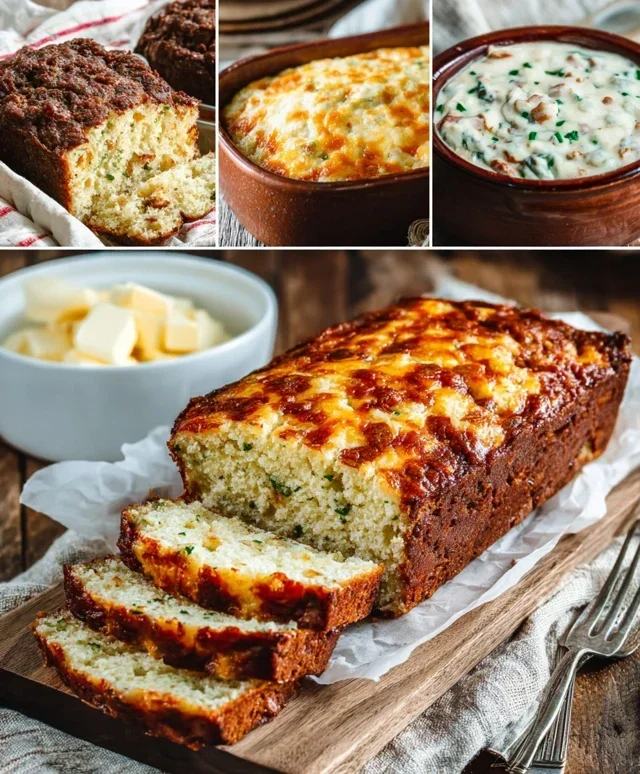
5. Enjoy Keto Bread and Cookies: Your keto bread can be enjoyed toasted with butter, avocado, or as a base for your crack chicken. For the keto chocolate chip cookies, follow the package instructions. These often require mixing the dry ingredients with softened butter, a keto sweetener, and an egg. Fold in the keto-friendly chocolate chips and drop spoonfuls of dough onto a baking sheet lined with parchment paper. Bake at the recommended temperature (usually around 350°F or 175°C) for 10-12 minutes, or until the edges are golden brown and the centers are slightly soft. Allow them to cool on the baking sheet for a few minutes before transferring them to a wire rack to cool completely.
Embracing the ketogenic lifestyle is a journey, and with these foundational recipes and understanding of the basics, you’re well on your way to enjoying delicious, satisfying meals that support your goals. Happy keto cooking!

Conclusion:
Embarking on your ketogenic journey doesn’t have to be complicated, and this simple guide has hopefully demystified the core Keto Rules & Basics for begin extractners. This approach to eating is incredibly versatile, focusing on delicious, satisfying meals that support your health goals. The beauty of this plan lies in its simplicity: high fat, moderate protein, and very low carbohydrates. We’ve explored how to identify keto-friendly foods and understand macronutrient ratios, empowering you to make informed choices. Imagin extracte enjoying creamy avocado, flavorful fatty fish, and satisfying, rich dishes guilt-free!
For serving suggestions, consider pairing these principles with your favorite keto recipes. Think a hearty steak with a side of buttery spinach, or a salmon fillet with roasted asparagus drizzled in olive oil. Variations are endless! Don’t be afraid to experiment with different healthy fats like coconut oil, ghee, and nuts (in moderation, of course), and explore a wide array of non-starchy vegetables. This is your chance to discover new favorite meals that align with the Keto Rules & Basics. We strongly encourage you to try this straightforward approach; you might be surprised at how enjoyable and sustainable it can be!
Frequently Asked Questions:
Q1: Is it hard to stick to the Keto Rules & Basics?
It can seem daunting at first, but once you understand the fundamental principles of keeping carbs low and fats high, it becomes much easier. Focusing on whole, unprocessed foods and familiarizing yourself with keto-friendly alternatives to common staples are key. Many begin extractners find that after a week or two, their cravings change, and they feel more satisfied, making adherence more natural.
Q2: What are some easy meal ideas for begin extractners following Keto Rules & Basics?
Simple meals like scrambled eggs with avocado, a bunless burger with a side salad, chicken thighs roasted with broccoli, or a creamy salmon dish with zucchini noodles are fantastic starting points. Focus on protein and healthy fats, and fill the rest of your plate with low-carb vegetables.
Keto Rules & Basics: A Simple Guide for Beginners
A foundational guide to the ketogenic diet, explaining its core principles and providing simple recipes to get you started.
Ingredients
-
Keto Bread
-
Keto Oatmeal
-
Keto Pancakes
-
Keto Pasta
-
Keto Chocolate Cake
-
Keto Chocolate Chip Cookies
-
Keto Crack Chicken
Instructions
-
Step 1
The ketogenic diet focuses on very low carbohydrates, moderate protein, and high fat. Aim for roughly 70-75% fat, 20-25% protein, and 5-10% carbohydrates daily. -
Step 2
Cut out all sugary drinks, sweets, bread, pasta, rice, potatoes, and most processed foods. Focus on whole, unprocessed foods. -
Step 3
Include sources like avocado, olive oil, coconut oil, nuts, seeds, and fatty fish. Fats are your primary energy source on keto. -
Step 4
Opt for quality protein sources such as meat, poultry, fish, and eggs. Avoid high-carb protein sources or those with added sugars. -
Step 5
Green leafy vegetables, broccoli, cauliflower, zucchini, and bell peppers are excellent choices. Limit starchy vegetables. -
Step 6
Utilize recipes like Keto Bread, Keto Oatmeal, Keto Pancakes, Keto Pasta, Keto Chocolate Cake, Keto Chocolate Chip Cookies, and Keto Crack Chicken to guide your meal planning and ensure you stay within your macro goals.
Important Information
Nutrition Facts (Per Serving)
It is important to consider this information as approximate and not to use it as definitive health advice.
Allergy Information
Please check ingredients for potential allergens and consult a health professional if in doubt.