Easy Chimichurri Sauce Recipe-Flavorful Herb Dip
Chimichurri sauce recipe is a vibrant, herbaceous condiment that can elevate practically any dish to new heights. Have you ever bitten into a perfectly grilled steak, only to realize it was missing that extra spark? Or perhaps you’re looking for a way to inject a burst of fresh flavor into roasted vegetables or even simple grilled chicken? That’s where this magical Argentinian staple comes in. Chimichurri, with its non-intoxicating blend of parsley, garlic, oregano, and a hint of acidity, offers a flavor profile that’s both robust and refreshing. It’s not just a sauce; it’s an experience. What makes this particular chimichurri sauce recipe so special is its versatility and the incredible depth of taste it brings without overpowering your main ingredients. It’s surprisingly easy to whip up, promising a delightful transformation of your everyday meals into something truly extraordinary. Get ready to impress yourself and your guests with this indispensable chimichurri sauce recipe.
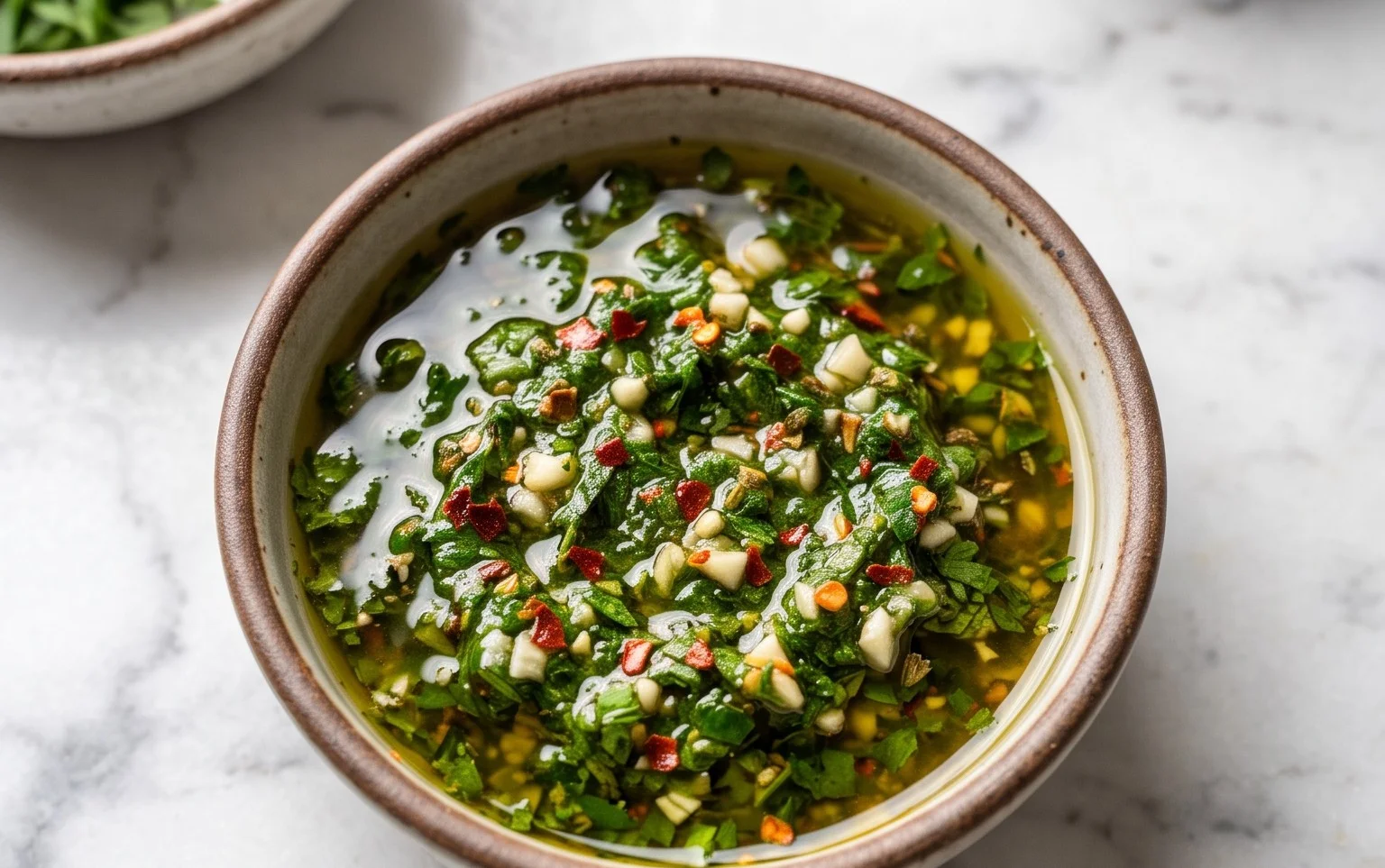
Chimichurri sauce is an Argentinian staple, a vibrant, herb-packed condiment that instantly elevates grilled meats, roasted vegetables, and even simple bread. Its bright, zesty flavor profile is a delightful counterpoint to rich, savory dishes. Making chimichurri from scratch is surprisingly easy and incredibly rewarding, allowing you to customize its intensity to your exact liking. Forget the store-bought versions; this homemade chimichurri is in a league of its own.
This recipe focuses on fresh, high-quality ingredients to capture the authentic essence of this beloved sauce. The combination of fresh herbs provides a complex herbaceousness, while the acidity from the vinegar and lemon juice cuts through any richness. A touch of heat from the red pepper flakes adds a subtle kick that wakes up the palate.
Ingredients:
Crafting Your Chimichurri Sauce
The beauty of chimichurri lies in its simplicity. It’s a sauce that’s more about combining fresh, potent ingredients than complex cooking techniques. We’ll be working with a few key stages: prepping the herbs, finely chopping the aromatics, and then bringin extractg it all together with the liquid components.
Step 1: Preparing the Herb Base
The foundation of our chimichurri is a generous amount of fresh herbs. Start by thoroughly washing and drying your parsley, cilantro, and oregano. It’s crucial to remove all stems from the parsley, as they can be tough and bitter. For the cilantro and oregano, while stems are less of an issue, it’s generally best to stick to just the leaves for the most delicate flavor and smoothest texture. Once prepped, roughly chop the herb leaves. You don’t need to be overly precise at this stage, as they will be finely chopped in the next step. Aim for a pile of vibrant green goodness.
Step 2: Mincing the Aromatics
Now, let’s get down to the fine details. Take your roughly chopped red onion or shallots and mince them as finely as possible. The smaller the pieces, the better they will integrate into the sauce and distribute their flavor. If you find raw onion too pungent, rinsing the chopped onion under cold water for a minute and then patting it dry can help mellow its bite. Next, mince the garlic cloves very finely. You can use a knife or a garlic press. The goal here is to have tiny, almost paste-like pieces of garlic that will infuse the oil. Add the red pepper flakes to these minced aromatics. This is where you can adjust the heat level to your preference. If you like it spicier, add a pinch more; if you prefer a milder sauce, start with less.
Step 3: Combining and Chopping
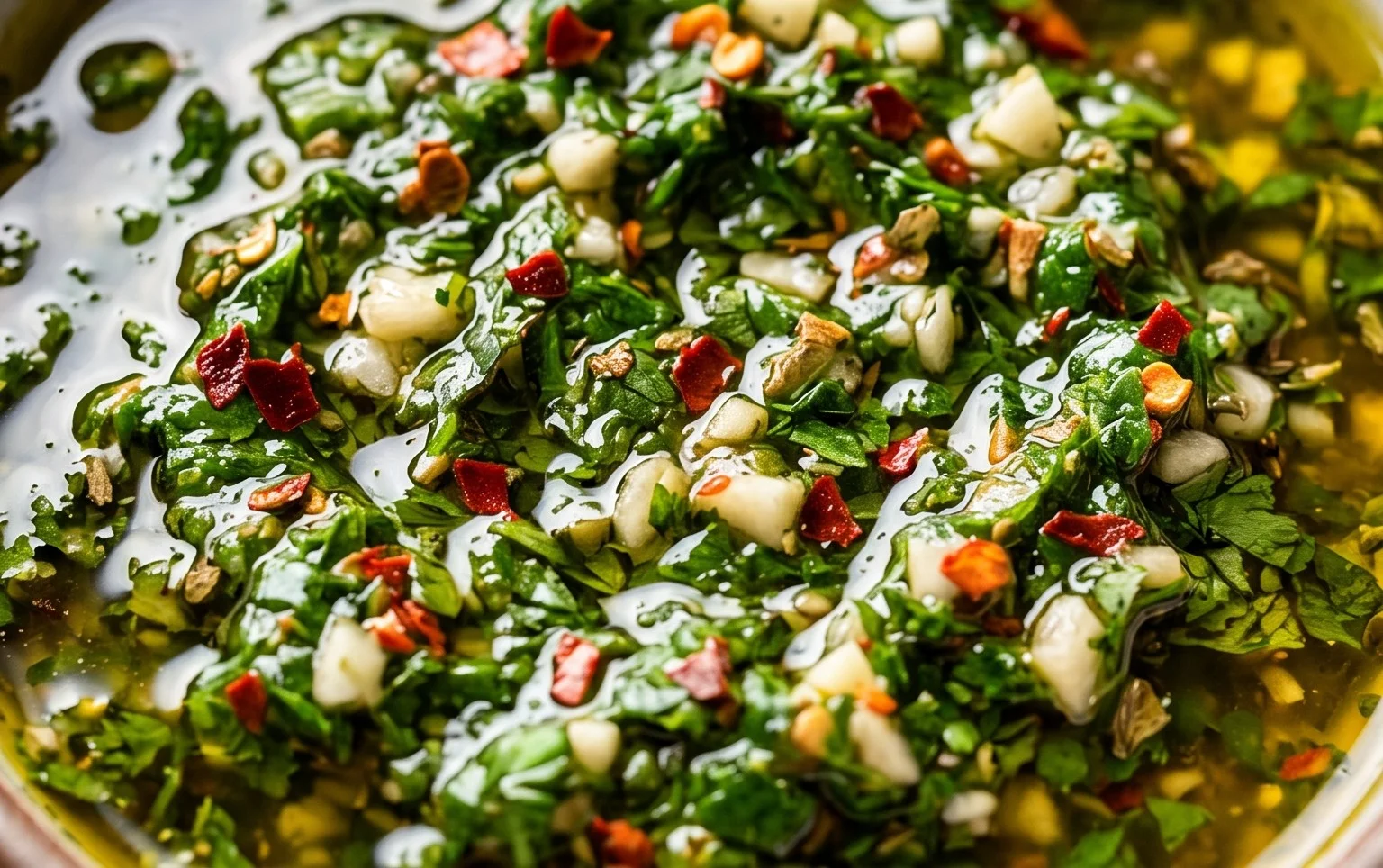
In a medium-sized bowl, combine the finely chopped herbs, minced red onion (or shallots), minced garlic, and red pepper flakes. Now, using a sharp knife, you will begin extract to finely chop everything together. This is a crucial step for achieving the characteristic texture of chimichurri. Work the knife through the mixture repeatedly, chopping and dicing until everything is broken down into very small, uniform pieces. You’re essentially creating a very finely minced relish. This might take a few minutes, so be patient. The finer you chop, the better the flavors will meld and the more pleasant the sauce will be to eat.
Step 4: Introducing the Liquids
Once you have achieved your desired fineness in the herb and aromatic mixture, it’s time to add the liquids. Pour in the extra-virgin extract olive oil. This is the backbone of the sauce, carrying all the vibrant flavors. Next, add the red grape juice vinegar. This vinegar provides a sharp, fruity acidity that is characteristic of good chimichurri. Finally, squeeze in the fresh lemon juice. The lemon juice adds another layer of brightness and acidity, complementing the vinegar beautifully. Give everything a good stir to ensure the oil, vinegar, and lemon juice are starting to emulsify with the chopped ingredients.
Step 5: Seasoning and Resting
Now for the final touch: seasoning. Add the kosher salt to the bowl. Taste the chimichurri and adjust the salt as needed. Remember that the flavors will continue to meld and intensify as the sauce rests, so you might want to err on the side of slightly under-salting initially. Stir everything together one last time. For the best flavor, it’s highly recommended to let your chimichurri sauce rest for at least 30 minutes at room temperature, or even better, in the refrigerator for a few hours before serving. This resting period allows all the ingredients to meld and develop their full potential. The flavors will become more harmonious and the sauce will be more deeply flavored.
Your homemade chimichurri sauce is now ready to be enjoyed! It’s a fantastic accompaniment to grilled steak, chicken, fish, and beef. It’s also delicious drizzled over roasted vegetables, used as a marinade, or even stirred into dips. Store any leftover chimichurri in an airtight container in the refrigerator for up to a week. The flavors might even improve with time! Enjoy this versatile and incredibly flavorful sauce.
Conclusion:
There you have it – a vibrant, herbaceous, and incredibly versatile Chimichurri sauce recipe that’s a game-changer for any meal! This isn’t just a condiment; it’s a flavor explosion waiting to happen. Its beauty lies in its simplicity and the freshness it brings, transforming grilled meats, roasted vegetables, and even simple salads into something truly special. I’ve found that the key to a truly outstanding chimichurri is using the freshest ingredients you can find – it makes all the difference. Don’t be afraid to play around with it; this recipe is a fantastic starting point.
Beyond its classic pairing with steak, I love drizzling chimichurri over grilled chicken, fish, beef chops, and even firm tofu. Roasted potatoes, grilled corn on the cob, and avocado toast are also incredible vehicles for this herbaceous delight. Feeling adventurous? Try adding a pinch of red pepper flakes for a little heat, or swap out some of the parsley for cilantro or mint for a different flavor profile. I truly encourage you to give this Chimichurri sauce recipe a try; I’m confident you’ll be hooked!
Frequently Asked Questions:
How long does chimichurri sauce last?
When stored properly in an airtight container in the refrigerator, your homemade chimichurri sauce should stay fresh for about 5 to 7 days. The olive oil acts as a preservative, but the fresh herbs will eventually lose their vibrancy.
Can I freeze chimichurri?
Yes, you absolutely can freeze chimichurri! Freeze it in an ice cube tray for single-serving portions, or transfer it to a freezer-safe container. It will keep its flavor for several months, though the texture of the herbs might change slightly upon thawing. It’s perfect for adding a burst of fresh flavor to winter meals.
What if I don’t have red grape juice vinegar?
No worries at all! You can substitute red grape juice vinegar with white grape juice vinegar, apple cider vinegar, or even fresh lime juice for a slightly different but equally delicious tang. The goal is to add acidity to balance the richness of the olive oil and the freshness of the herbs.
Chimichurri Sauce Recipe
A vibrant and zesty Argentinian sauce perfect for grilled meats and vegetables.
Ingredients
-
1 cup fresh Italian flat-leaf parsley, leaves only, stems removed
-
1/4 cup fresh cilantro, leaves only, stems removed
-
1/4 cup fresh oregano, leaves only, stems removed
-
1/3 cup roughly chopped red onion
-
3 cloves garlic, peeled
-
1/2 teaspoon red pepper flakes
-
1/2 cup extra-virgin olive oil
-
1/4 cup red grape juice vinegar
-
3 tablespoons fresh lemon juice
-
1 teaspoon kosher salt
Instructions
-
Step 1
Finely chop the fresh parsley, cilantro, and oregano. -
Step 2
In a medium bowl, combine the chopped herbs, red onion, and minced garlic. -
Step 3
Add the red pepper flakes to the herb mixture. -
Step 4
Pour in the extra-virgin olive oil, red grape juice vinegar, and fresh lemon juice. -
Step 5
Stir in the kosher salt until well combined. -
Step 6
Let the chimichurri sauce sit for at least 10 minutes to allow the flavors to meld before serving.
Important Information
Nutrition Facts (Per Serving)
It is important to consider this information as approximate and not to use it as definitive health advice.
Allergy Information
Please check ingredients for potential allergens and consult a health professional if in doubt.