Lemon Blueberry Sourdough Bread Recipe
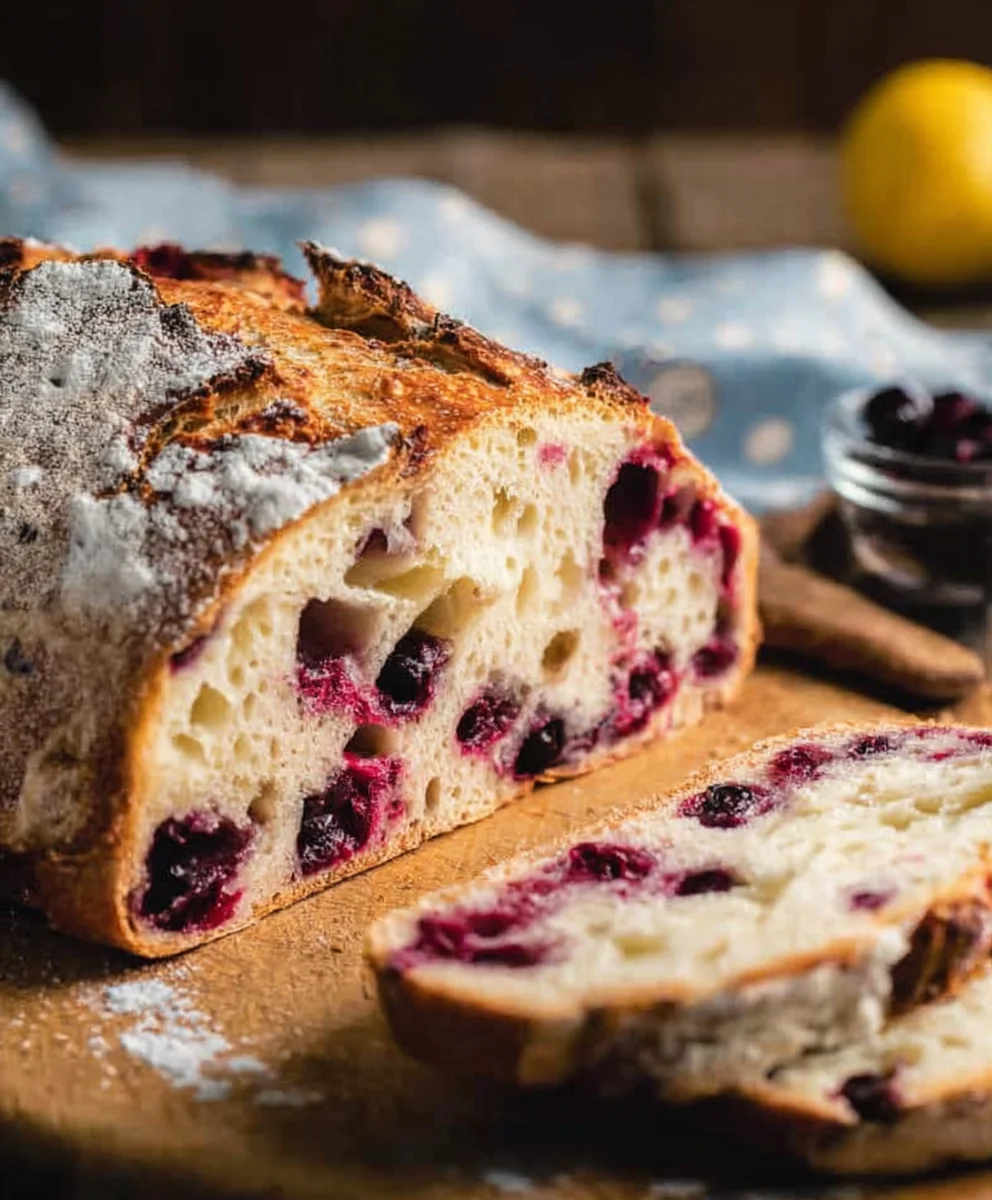
Lemon Blueberry Sourdough Bread Recipe is more than just a delightful treat; it’s an experience that awakens your senses and brings a touch of sunshine to your kitchen. Imagin extracte the vibrant burst of juicy blueberries mingling with the zesty tang of fresh lemon, all encased in the chewy, slightly tangy embrace of perfectly fermented sourdough. This isn’t just any bread; it’s a symphony of flavors and textures that has captured the hearts of bakers and eaters alike. People adore this creation because it perfectly balances sweet and tart, making each bite incredibly refreshing. What truly sets this Lemon Blueberry Sourdough Bread Recipe apart is the magical combination of the natural leavening of sourdough, which contributes a depth of flavor and a wonderfully airy crum extractb, with the bright, summery notes of lemon zest and plump blueberries. It’s the ultimate way to elevate your breakfast, brunch, or afternoon tea, offering a homemade goodness that store-bought simply can’t replicate.
Ingredients:
- 50g active sourdough starter
- 350g water
- 500g bread flour
- 11g salt
- 150g fresh blueberries
- zest of one lemon
- 8 Tablespoons butter, room temperature (113g)
- 1/2 cup fresh blueberries, mashed (75g)
- 2 Tablespoons honey (45g)
- a pinch of salt
Preparing the Dough
Autolyse and Levain Mix
- In a large mixing bowl, combine the 350g of water and the 500g of bread flour. Mix with your hands or a spatula until just incorporated and no dry flour remains. This is the autolyse step, which helps to hydrate the flour and begin extract gluten development. Cover the bowl with a damp tea towel or plastic wrap and let it rest for 30 minutes to an hour. This resting period is crucial for a more extensible and easier-to-handle dough.
- After the autolyse, add the 50g of active sourdough starter and the 11g of salt to the dough. Gently incorporate them into the dough. You can use your hands, performing a series of stretches and folds within the bowl. Squeeze the dough between your fingers to ensure the starter and salt are evenly distributed. This process will feel a bit sticky and messy at first, but as you continue, the dough will start to come together. Aim for about 5-10 minutes of mixing until the ingredients are well integrated.
Bulk Fermentation and Inclusions
Developing Strength and Adding Flavor
- Now, it’s time for the bulk fermentation. Over the next 3 to 4 hours, you’ll perform a series of “stretch and folds” every 30 minutes. To do this, wet your hands slightly to prevent sticking. Grab one side of the dough, stretch it upwards gently, and fold it over the center. Rotate the bowl 90 degrees and repeat this process for all four sides. This builds the gluten structure, which is essential for a good rise and open crum extractb. You should see the dough become smoother and more elastic with each set of folds. Towards the end of the bulk fermentation, when the dough has increased in volume by about 30-50% and looks airy, it’s time to incorporate the delicious flavorings.
- Gently fold in the zest of one lemon and the 150g of fresh blueberries. Distribute them as evenly as possible without degassing the dough too much. You can gently press the blueberries into the dough or fold them in carefully. Be mindful that the blueberries might release some moisture, so try to incorporate them quickly and efficiently. After adding the blueberries and lemon zest, perform one final set of stretch and folds to ensure they are well distributed throughout the dough. Let the dough rest for another 30 minutes to an hour, covered, to allow it to recover and continue its rise.
Shaping and Proofing
Preparing for the Oven
- Gently tip the dough out onto a lightly floured surface. Shape the dough into your desired loaf form – a boule (round) or a batard (oval). For a boule, gently pull the edges of the dough towards the center to create surface tension, then flip it over and use your hands to cup the dough and rotate it on the surface, creating a taut ball. For a batard, gently stretch the dough into a rectangle and then roll it up tightly from one end, sealing the seams as you go. Place the shaped dough into a well-floured banneton or a bowl lined with a floured tea towel, seam-side up. Cover it and place it in the refrigerator for a cold proof for at least 12-18 hours, or up to 24 hours. This cold proof develops more complex flavors and makes the dough easier to score.
Baking the Bread
Achieving a Golden Crust and Perfect Interior
- Preheat your oven with a Dutch oven (or baking stone with a steam pan) inside to 475°F (245°C) for at least 30 minutes. Once preheated, carefully remove the dough from the refrigerator. Invert the dough onto a piece of parchment paper. Gently score the top of the loaf with a lame or a sharp razor blade. A simple cross or a decorative pattern works well. Carefully transfer the dough (using the parchment paper as a sling) into the preheated Dutch oven. Cover with the lid and bake for 25 minutes.
- After 25 minutes, carefully remove the lid of the Dutch oven. Reduce the oven temperature to 450°F (230°C). Continue baking for another 20-25 minutes, or until the crust is a deep golden brown and the internal temperature of the bread reaches at least 205°F (96°C). If you are using a baking stone, you would typically create steam in the oven during the initial baking phase by pouring water into a preheated steam pan. Once baked, carefully remove the bread from the Dutch oven and place it on a wire rack to cool completely.
Making the Honey Butter
A Sweet and Savory Finish
- While the bread is cooling, prepare the honey butter. In a small bowl, combine the 8 tablespoons of room temperature butter, 1/2 cup of mashed fresh blueberries, 2 tablespoons of honey, and a pinch of salt. Use a fork or a whisk to thoroughly mix these ingredients together until they are well combined and smooth. The mashed blueberries will give the butter a lovely color and a subtle fruity sweetness, which pairs wonderfully with the tangy sourdough and bright lemon notes of the bread. Ensure the butter is soft enough to mix easily.
Conclusion:
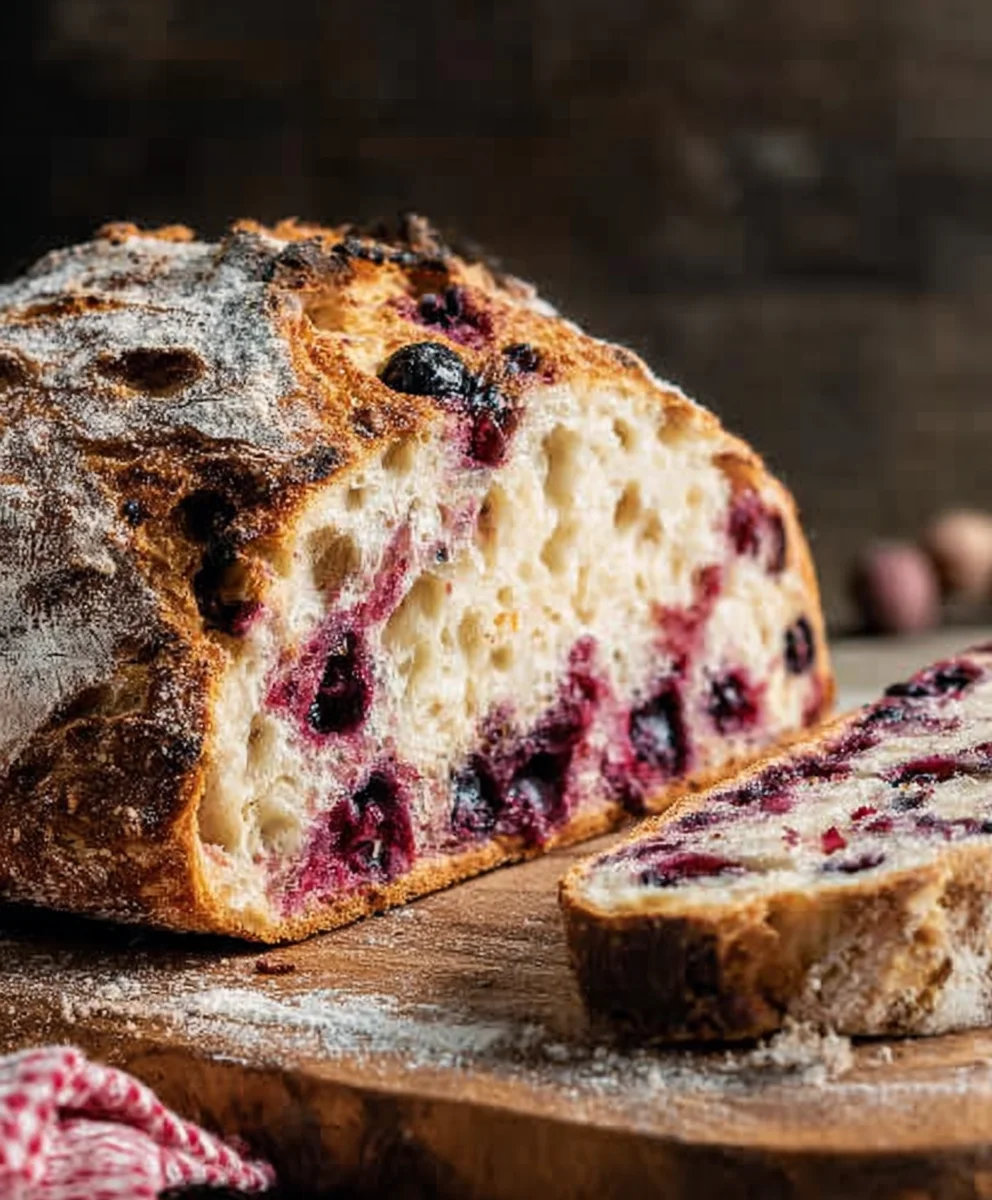
We’ve reached the end of our delightful journey in creating the perfect Lemon Blueberry Sourdough Bread Recipe! This recipe delivers a beautifully tangy and subtly sweet loaf, studded with juicy blueberries and bursting with bright lemon zest. The inherent chegrape juicess and open crum extractb of sourdough make this a truly special bread that’s as satisfying to bake as it is to eat. I hope you enjoyed following along and are excited to slice into your own homemade masterpiece.
This Lemon Blueberry Sourdough Bread Recipe is incredibly versatile. Serve it simply toasted with a generous smear of butter for breakfast, or enjoy a slice with your afternoon tea. It also pairs wonderfully with a dollop of Greek yogurt or a light cream cheese frosting for a more decadent treat. For variations, consider adding a sprinkle of poppy seeds along with the blueberries for an extra pop of texture and flavor, or a touch of lavender for a floral aroma that complements the lemon beautifully.
Don’t be discouraged if your first loaf isn’t absolutely perfect! Sourdough baking is a process of learning and adaptation. Embrace the journey, experiment with your starter, and most importantly, have fun! The aroma alone will make it worthwhile.
Frequently Asked Questions about Lemon Blueberry Sourdough Bread:
Q: My blueberries sank to the bottom of the loaf. What did I do wrong?
A: This is a common issue with adding fruit to sourdough. A few tricks can help! Ensure your blueberries are dry and lightly coated in flour before folding them into the dough. You can also add them during the latter stages of your bulk fermentation, rather than all at once at the begin extractning. This allows the dough to build more structure first.
Q: Can I use frozen blueberries in this recipe?
A: Yes, you can! However, it’s crucial to use them directly from frozen and toss them with a tablespoon of flour before incorporating them into the dough. This helps prevent them from bleeding too much color and further aids in preventing them from sinking.
Lemon Blueberry Sourdough Bread
A delightful sourdough bread infused with bright lemon zest and sweet blueberries, finished with a creamy honey butter.
Ingredients
-
50g active sourdough starter
-
350g water
-
500g bread flour
-
11g salt
-
150g fresh blueberries
-
zest of one lemon
-
113g butter, room temperature
-
75g fresh blueberries, mashed
-
45g honey
-
a pinch of salt
Instructions
-
Step 1
Combine water and bread flour in a bowl for autolyse, cover, and rest for 30-60 minutes. Add sourdough starter and salt, mixing for 5-10 minutes until integrated. -
Step 2
Perform stretch and folds every 30 minutes for 3-4 hours during bulk fermentation until the dough is airy and increased in volume. -
Step 3
Gently fold in lemon zest and 150g of fresh blueberries. Perform one final set of stretch and folds, then let rest for another 30-60 minutes. -
Step 4
Shape the dough into a boule or batard, place in a floured banneton or bowl, cover, and cold proof in the refrigerator for 12-24 hours. -
Step 5
Preheat oven with a Dutch oven to 475°F (245°C). Score the dough, transfer to the Dutch oven, cover, and bake for 25 minutes. -
Step 6
Remove the lid, reduce oven temperature to 450°F (230°C), and bake for another 20-25 minutes until golden brown and internal temperature reaches 205°F (96°C). Cool completely on a wire rack. -
Step 7
While the bread cools, prepare the honey butter by combining room temperature butter, mashed blueberries, honey, and a pinch of salt in a bowl until smooth.
Important Information
Nutrition Facts (Per Serving)
It is important to consider this information as approximate and not to use it as definitive health advice.
Allergy Information
Please check ingredients for potential allergens and consult a health professional if in doubt.